City centre hospitals research facilities receive £1.3m boost
Last updated: 22/06/2026
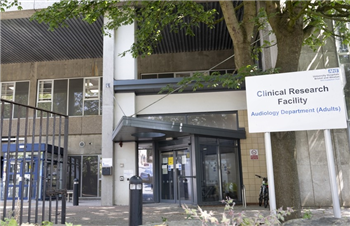 Three key research facilities in Bristol’s city centre hospitals have been awarded a total of £1.3 million from the National Institute for Health and Care Research (NIHR).
The funding will provide:
- Up to five overnight NHS beds exclusively for research - a first for the city
- A 70% increase in Bristol Heart Institute’s research capacity, increasing participation in cardiology and cardiac surgery research and access to pioneering treatments
- Double the capacity at Bristol Haematology and Oncology Centre for innovative molecular radiotherapy, including its application in research studies
Work should be completed by the end of March 2028.
The funding has been awarded to University Hospitals Bristol and Weston NHS Foundation Trust (UHBW). UHBW is part of Bristol NHS Group alongside North Bristol Trust.
Overnight beds at the NIHR Clinical Research Facility
The sleep studies area at the NIHR Clinical Research Facility (CRF) on St Michael’s Hill will be transformed into an overnight ward with up to five beds. The space will include essentials like catering and space for clinical staff to observe participants. This will be the first time that Bristol will have ringfenced, guaranteed NHS overnight bed space for research.
Professor David Wynick, Director of the CRF, said:
“These beds represent a turning point for Bristol. The ward will offer overnight accommodation to allow research participants to be monitored during studies. It’s one of the facilities that is most often requested by research teams. This is the first such NHS facility in Bristol and will transform the city’s research capabilities.”
Bristol Heart Institute outpatient space exclusively for research
The Bristol Heart Institute will increase its research capacity by 70%, thanks to two dedicated, private spaces exclusively for patient-facing research activities in their outpatient facilities. The team will be able to offer more studies to more patients, increasing capacity and capability in both cardiac surgery and cardiology research. These spaces will make studies more accessible and inclusive, enabling research teams to spend more time with patients and their families.
Emma Hopkins, Cardiac Surgery Research Delivery Lead and Laura Gallego, Cardiology Research Delivery Lead said:
“Our dedicated cardiovascular research hub will provide more opportunities for patients from our diverse community, from within and around Bristol, to take part in research, in a calm and relaxed environment, supported every step of the way by our specialist research team.”
Molecular radiotherapy capacity at Bristol Haematology and Oncology Centre
Molecular radiotherapy is an advanced cancer treatment, where radioactive drugs are given in pills or via a drip to directly target cancer cells. NIHR’s investment will double capacity for this innovative treatment, enabling more studies in this emerging field.
Eleanor Cradock, Molecular Radiotherapy Manager, said:
“This investment allows us to significantly expand access to molecular radiotherapy, one of the most exciting and rapidly developing areas of cancer treatment. By increasing our capacity, we can offer more patients the opportunity to take part in cutting-edge studies while continuing to refine and improve these therapies. It places Bristol at the forefront of innovation in this field.”
Professor Fergus Caskey, Bristol NHS Group Director of Research, said:
“Together, these investments represent a step-change in Bristol’s ability to deliver world-class research. By strengthening our infrastructure across multiple specialties, we’re creating the conditions for more ambitious, inclusive and impactful studies that will benefit patients locally and far beyond the city.”
Professor Tim Whittlestone, Bristol NHS Group Chief Medical and Innovation Officer, said:
“The investment for our cardiac and cancer research facilities from NIHR demonstrates the confidence that medical research funders have in the Bristol NHS Group. We are delivering more research in more diseases than ever before, and our patients and research teams are seeing real benefits.”
Tina is a patient advisor who helped the Bristol Heart Institute with their part of the bid. She said:
“As a patient and a carer who has been involved in heart research, it is transformative to have dedicated rooms to discuss research possibilities with people. It is great news that this funding has been awarded as it will certainly increase the number and diversity of patients and carers who will feel able to participate.
“It’s fantastic to see this investment in research in Bristol’s central hospitals. The facilities it will provide will make a real difference to patients across Bristol, the South West and beyond.”